Sweeten Your Design Palette with Wedding Food Illustrations
There is an undeniable romanticism attached to the culinary side of a wedding. Beyond the vows and the first dance, the food—the tiered cakes, the champagne flutes, the delicate hors d'oeuvres—often serves as a centerpiece of the celebration. For designers and creative entrepreneurs, capturing this essence requires more than just stock photography; it demands the flexibility and charm of vector art. Whether you are designing a suite for a high-end planner or branding a local bakery, utilizing wedding-themed food illustrations allows you to inject a specific, celebratory flavor into your work that feels both modern and timeless.
The Versatility of Edible Illustrations
Vector graphics are the backbone of professional design because of their scalability. Unlike raster images that pixelate when enlarged, vector art can be scaled from a tiny favicon on a website to a massive banner at a trade show without losing an ounce of clarity. When we talk about Wedding Food Vector Art, we are discussing a specific aesthetic niche that combines culinary realism with artistic interpretation.
These assets typically feature clean lines, distinct shapes, and often a hand-drawn or modern illustration style that feels personal and inviting. This type of visual asset is incredibly useful for creating a cohesive brand identity. Imagine a wedding catering company that uses a consistent illustration style across their menu, their delivery van wrap, and their Instagram feed. That visual consistency builds trust and recognition. It tells the client, "We pay attention to details." From a practical standpoint, vectors are easily editable. You can change the color of a macaron to match a specific wedding palette or remove a layer from a cake illustration to simplify the design in seconds.
Practical Applications for Creative Professionals
The utility of high-quality food vectors extends far beyond simple decoration. For graphic designers and small business owners, these assets are workhorses for various projects. Here is how you can integrate them into your workflow:
- Invitations and Stationery: This is the most obvious use, but it bears repeating. A delicate line-art cupcake or a detailed wine glass illustration can set the tone for the entire wedding suite, distinguishing a rustic barn wedding from a black-tie gala.
- Packaging Design: If you are a baker or a confectioner, your packaging is your silent salesperson. Using vector illustrations of your products on the box creates a professional presentation that commands a premium price point.
- Social Media Content: For content creators and marketers in the food industry, these vectors are perfect for creating "fill-in-the-blank" templates, quote backgrounds, or sale announcements that stand out in a crowded feed.
- Editorial Layouts: Bloggers and magazine editors can use these illustrations to break up text-heavy pages, adding visual interest without the need for expensive photo shoots.
- Merchandise: The charm of a hand-drawn croissant or a stylized wedding cake translates beautifully onto tote bags, t-shirts, or stickers, offering a great opportunity for e-commerce side hustles.
Matching Style to Strategy
When selecting a Wedding Food Vector Art set, you aren't just buying images; you are buying a mood. The visual style you choose must align with the project's goals. Are you aiming for a playful, whimsical vibe? Look for vectors with hand-drawn imperfections, bold outlines, and perhaps a watercolor texture. These work exceptionally well for children's party planners or casual, backyard wedding brands.
Conversely, if the project demands elegance and sophistication, seek out vectors with fine, uniform line weights and a minimalist aesthetic. These styles pair beautifully with serif fonts and muted color palettes to create a luxury brand identity. For a modern, trendy look—think urban bakeries or contemporary catering services—flat design vectors with bright colors and no outlines offer a clean, digital-first appearance that pairs well with sans serif fonts.
Don't underestimate the power of typography when integrating these graphics. A script font or handwritten font often pairs naturally with food illustrations because both elements share a human, organic quality. However, you must be careful with readability. If the illustration is detailed and "busy," pair it with a clean, simple typeface so the design doesn't become overwhelming. Conversely, if the vector is a simple icon, you have more freedom to use a decorative display font for headlines.
Technical Considerations for Print and Digital
Using vector art effectively requires a bit of technical foresight, especially regarding commercial licensing. Before purchasing or downloading a pack, always verify the license. Most premium marketplaces offer licenses that cover both physical products (like printed merchandise) and digital products (like website graphics). However, some "free" vector sites have restrictive licenses that prohibit commercial use or require attribution, which can look unprofessional on a wedding invitation.
Another key consideration is color management. Vectors usually come in RGB format (ideal for screens), but if you are sending these designs to a printer for packaging or posters, you will need to convert them to CMYK. Because vectors are editable, this is usually a straightforward process in Adobe Illustrator or similar software, but it is a step that cannot be skipped if you want the printed colors to match what you see on your monitor.
Finally, consider the complexity of the file. High-quality vectors should be organized with layers. This allows you to easily isolate specific elements—like taking just the cherry from a sundae illustration—without having to manually trace or cut out parts of the image. Good file organization is a hallmark of premium design assets and saves you billable hours in the long run.
Building a Cohesive Visual Narrative
Ultimately, the goal of using Wedding Food Vector Art is to tell a story. Food is emotional, and your design assets should evoke that same emotion. Whether you are a creative entrepreneur launching a new product line or a hobbyist creating a scrapbook for a friend, the right illustration elevates the project from a simple arrangement of elements to a curated experience.
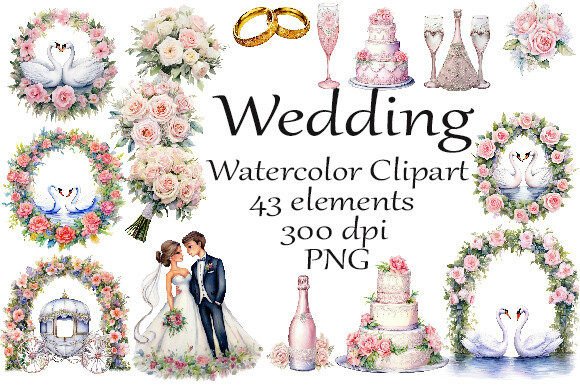
By mixing and matching these illustrations—perhaps combining a cake vector with a floral wreath vector—you can create unique compositions that feel bespoke. This approach allows for endless creativity while maintaining a consistent visual language. In a market where branding is everything, the ability to communicate your message clearly and beautifully through high-quality graphics is not just a luxury; it is a necessity for standing out and connecting with your audience.