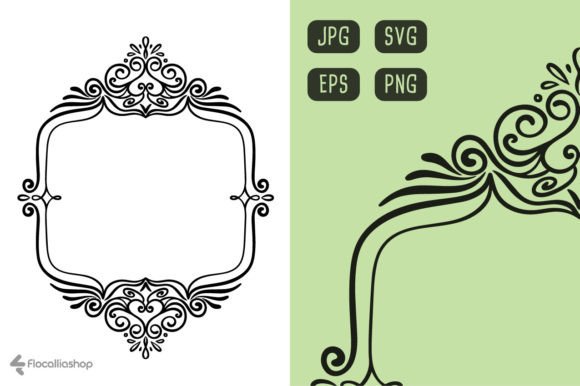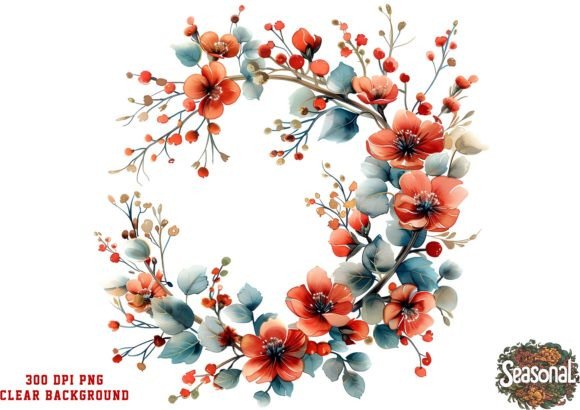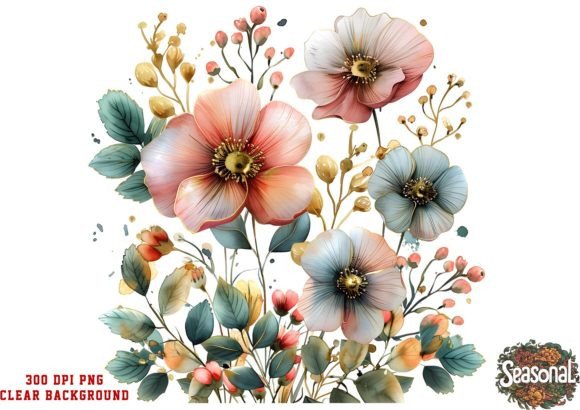
Wedding Sofa Vector Art: Crafting Elegant Visual Stories
Imagine a design that instantly evokes the romance of a wedding day—the soft curves of an elegant sofa, the intricate details of floral arrangements, the timeless atmosphere of a celebration. Wedding Sofa Vector Art captures this essence in a scalable, versatile format that designers and creatives can adapt across countless projects. Whether you're designing a wedding invitation suite, branding a bridal boutique, or creating social media content for an event planner, this style of vector art brings a distinct blend of sophistication and warmth to the table.
Why This Style Resonates with Modern Designers
There's something universally appealing about wedding aesthetics. They communicate care, attention to detail, and a sense of occasion. When rendered as vector art, these elements become incredibly flexible. You can scale a wedding sofa illustration from a tiny favicon to a massive banner without losing clarity. The clean lines and deliberate composition work beautifully in both digital and print environments, making this type of asset a practical choice for professionals who need consistency across multiple touchpoints.
What sets Wedding Sofa Vector Art apart from generic floral clip art or stock illustrations is its specificity. A well-crafted wedding sofa illustration tells a story. It suggests a lounge area at a reception, a vintage photo backdrop, or a cozy corner where guests gather. This narrative quality makes it far more engaging than abstract shapes or overused motifs. For designers working in the wedding industry—planners, photographers, stationery designers, venue marketers—this kind of visual storytelling is invaluable.
Practical Applications Across Creative Projects
The versatility of this art style extends well beyond wedding-specific projects. Here's where it genuinely shines:
- Branding and Logo Design: A wedding sofa illustration can anchor a visual identity for bridal shops, event venues, or luxury lifestyle brands. Paired with a complementary serif font or script font, it creates an immediate impression of elegance.
- Packaging Design: Think candle boxes, favor bags, or product labels for businesses targeting the wedding market. The vector format ensures crisp reproduction on any material.
- Social Media Graphics: Instagram posts, Pinterest pins, and Facebook covers for wedding professionals benefit enormously from cohesive, on-brand imagery. A recurring sofa motif ties content together visually.
- Invitations and Stationery: Save-the-dates, RSVP cards, and menu designs gain depth when layered with detailed vector illustrations rather than flat, generic backgrounds.
- Website and Blog Design: Hero images, section dividers, and decorative accents built from wedding vector art give websites a polished, editorial feel.
- Print Materials and Posters: Large-format prints for bridal expos, boutique signage, or editorial layouts maintain sharpness thanks to the vector foundation.
- Merchandise and Digital Products: From tote bags to downloadable planner templates, this art style adapts to physical and digital goods with equal grace.
Building Visual Consistency and Brand Recognition
One of the most overlooked advantages of using a cohesive art style like Wedding Sofa Vector Art is how it supports brand identity. When every piece of content—from a website header to an Instagram story—shares the same visual language, audiences begin to recognize and trust the brand faster. This isn't about being repetitive; it's about creating a visual system that feels intentional.
Consider a wedding planning business that uses the same sofa illustration across its business cards, proposal templates, and social media posts. Over time, that illustration becomes synonymous with the brand's personality. It's a shortcut to recognition, similar to how a distinctive display font or color palette works. The key is restraint—using the art as an accent rather than overwhelming every design with it.
Pairing Typography with Illustrated Elements
A beautiful illustration deserves equally thoughtful typography. When working with ornate vector art, the font choice can either complement or compete with the imagery. Here are a few practical considerations:
Balance detail levels. If the wedding sofa illustration is intricate and detailed, opt for a cleaner sans serif font or a simple modern typography style for body text. Reserve decorative handwritten fonts or elaborate serifs for headlines where they can shine without clutter.
Test font pairings early. Before committing to a final design, mock up your illustration alongside two or three typeface options. Look at how the letterforms interact with the curves and lines of the art. Sometimes a premium font with slightly rounded terminals echoes the softness of floral illustrations beautifully.
Consider readability above all. Wedding-related content often targets an emotional response, but that doesn't mean clarity should suffer. Ensure that any text layered over or beside the vector art remains easy to read at various sizes—especially on mobile screens where most social media content is consumed.
Licensing and Commercial Use Considerations
Before incorporating any vector art into client work or commercial products, verify the licensing terms. Many design assets marketed for personal use have restrictions on commercial applications. If you're creating merchandise, marketing materials, or products for sale, confirm that the license covers those specific uses. Reputable sources clearly outline whether an asset is suitable for commercial font and illustration projects, print-on-demand platforms, or unlimited digital distribution.
This step matters more than most creatives realize. A stunning illustration loses its value instantly if using it in a product triggers a licensing violation. Take five minutes to read the terms. It protects both your work and your clients.
Making It Work for Your Next Project
The real power of Wedding Sofa Vector Art lies in its adaptability. It's not locked into one aesthetic or one industry. A skilled designer can recolor it, crop it, combine it with other elements, or use it as a subtle background texture. It works equally well in a minimalist modern layout and a lush, vintage-inspired composition.
Start by identifying where this style fits naturally into your current projects. Maybe it's the missing piece in a bridal client's brand kit, or perhaps it's the visual anchor your next editorial layout needs. Experiment with scale, color variations, and typography pairings. The goal isn't to use every detail of the illustration—it's to let the parts that serve your design do the talking.
When you find the right balance, the result is a design that feels curated rather than assembled. That's the difference between content that gets scrolled past and content that stops someone mid-scroll. And in a crowded visual landscape, that pause is everything.